Still Here.Resistenza Contemporanea:Minneapolis, Ucraina, Palestina
Mostra Collettiva Collective Exhibition
Mostra Exhibition
Pass
Biglietto intero / Season ticket
Biglietto ridotto / Reduced-price
Visita guidata con l'autore Alfredo Bosco
Guided Tour with the Author Alfredo Bosco
13 Domenica Sunday Settembre September
Partenza da Vecchia Pescheria
Sul Progetto On the Project
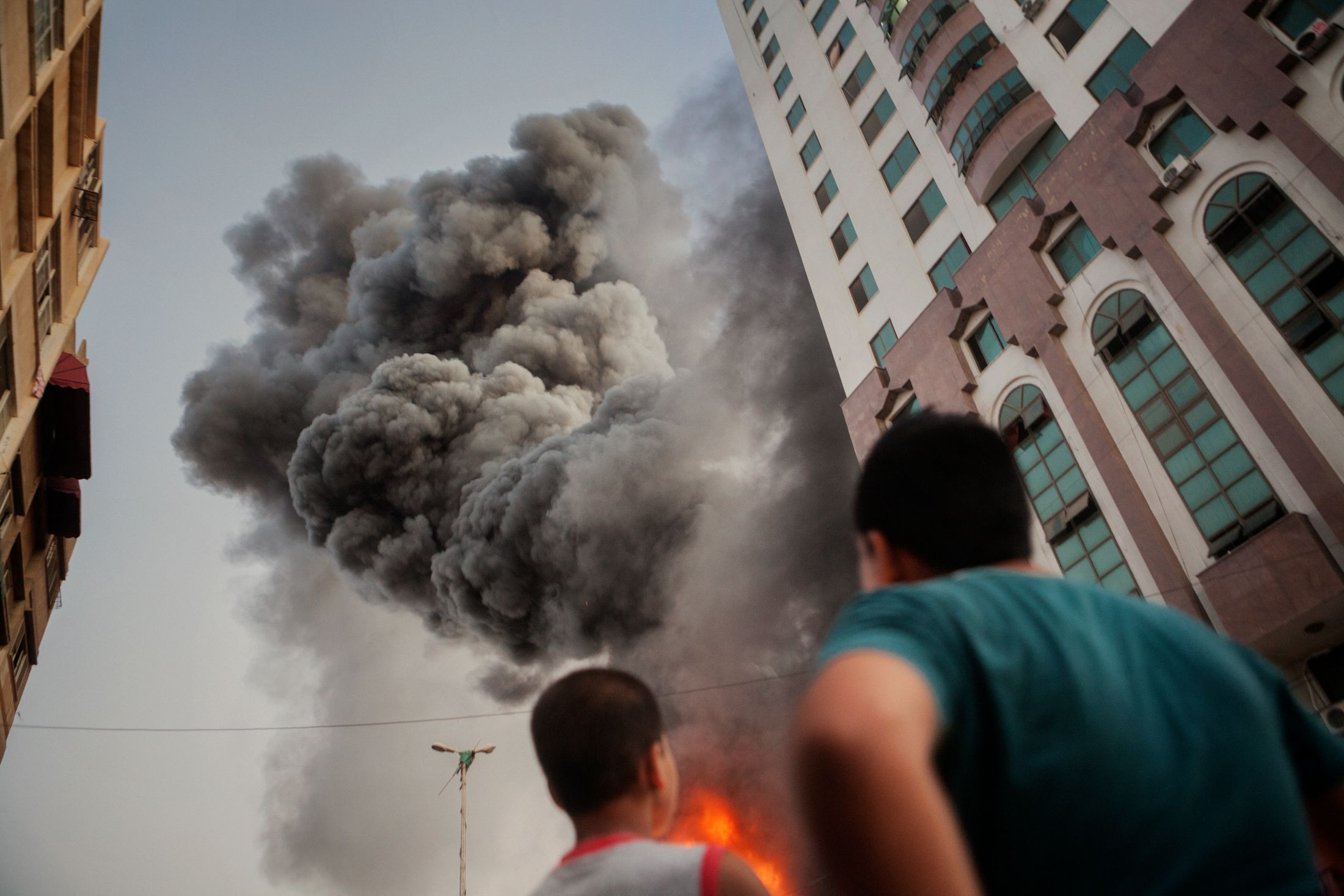
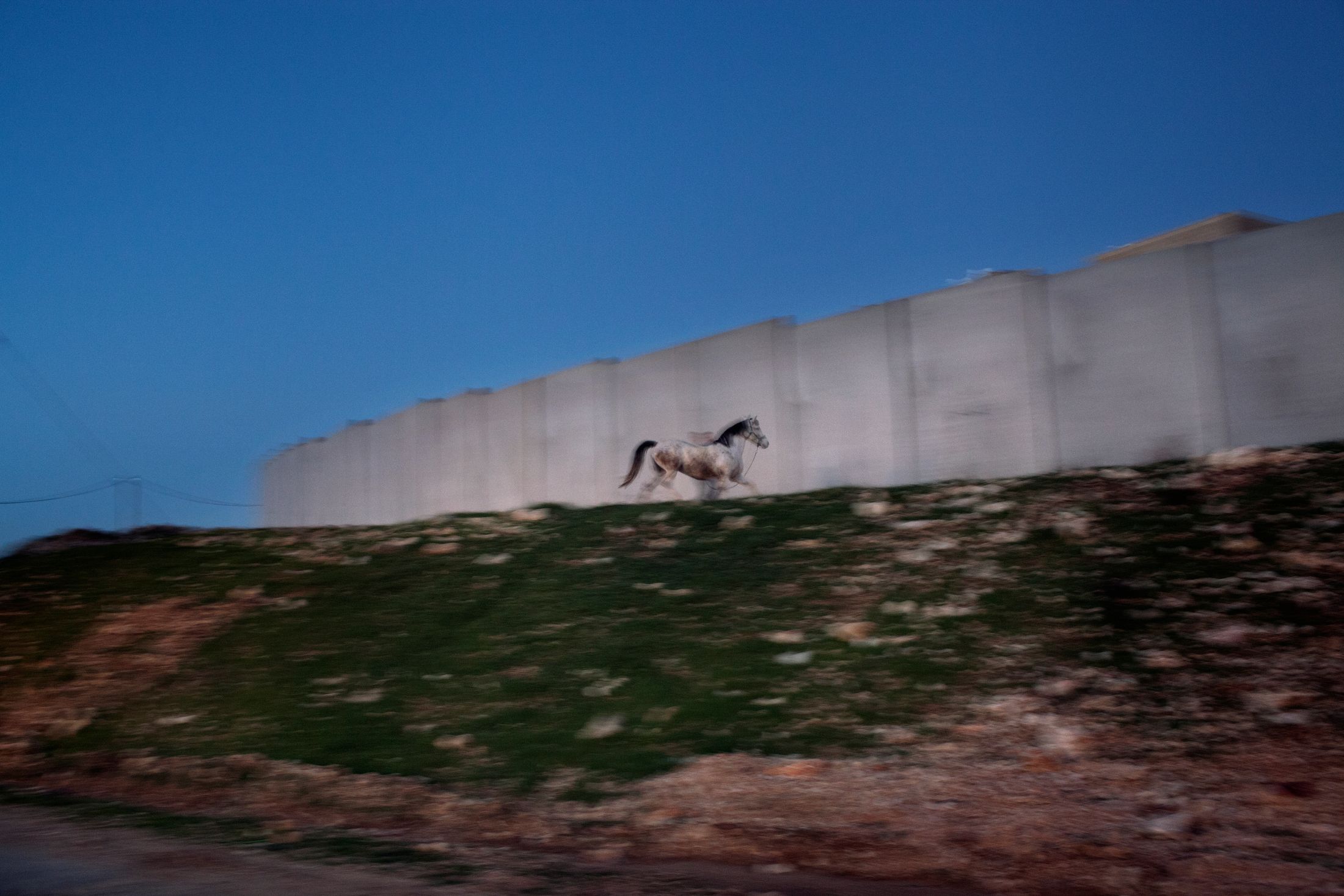
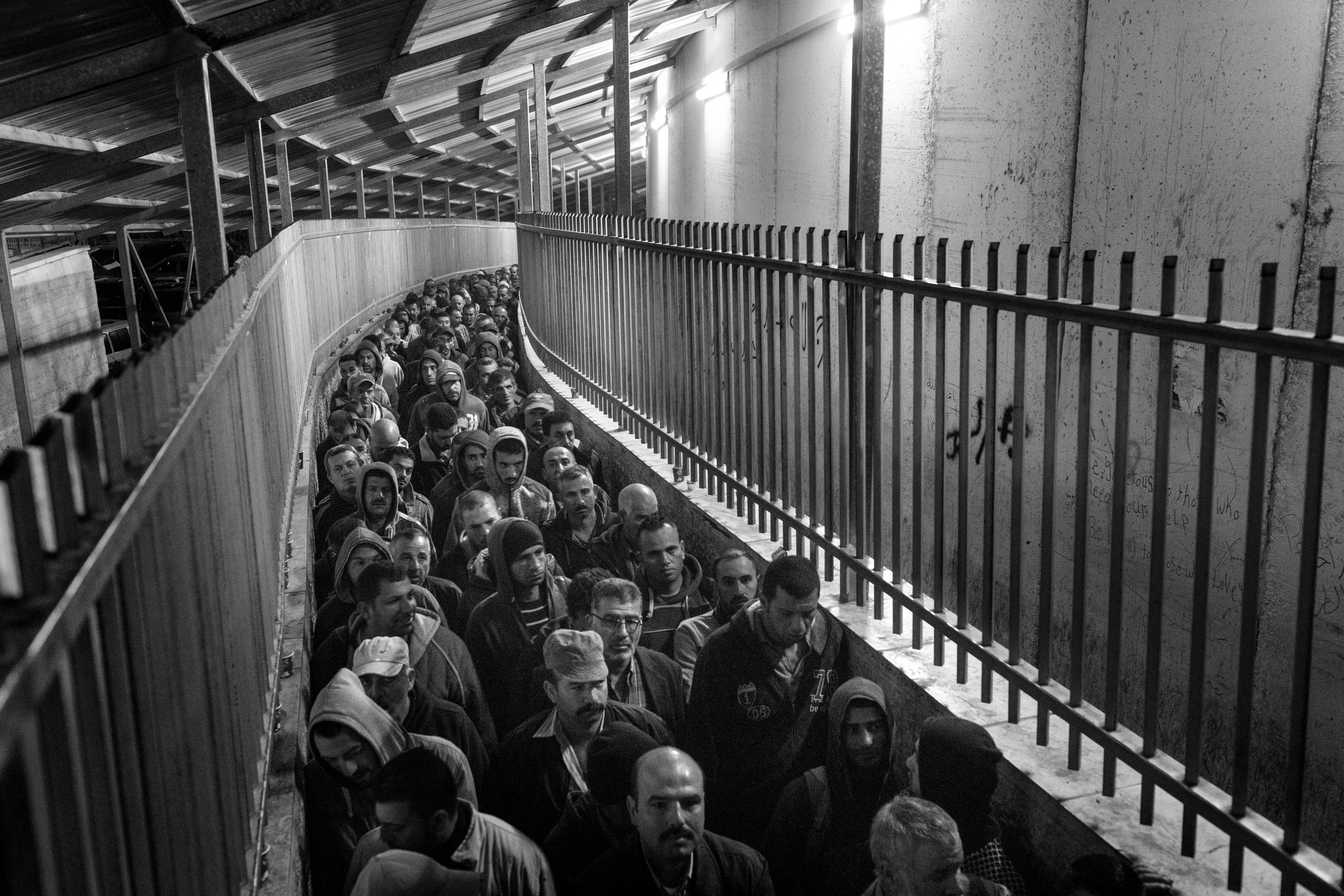
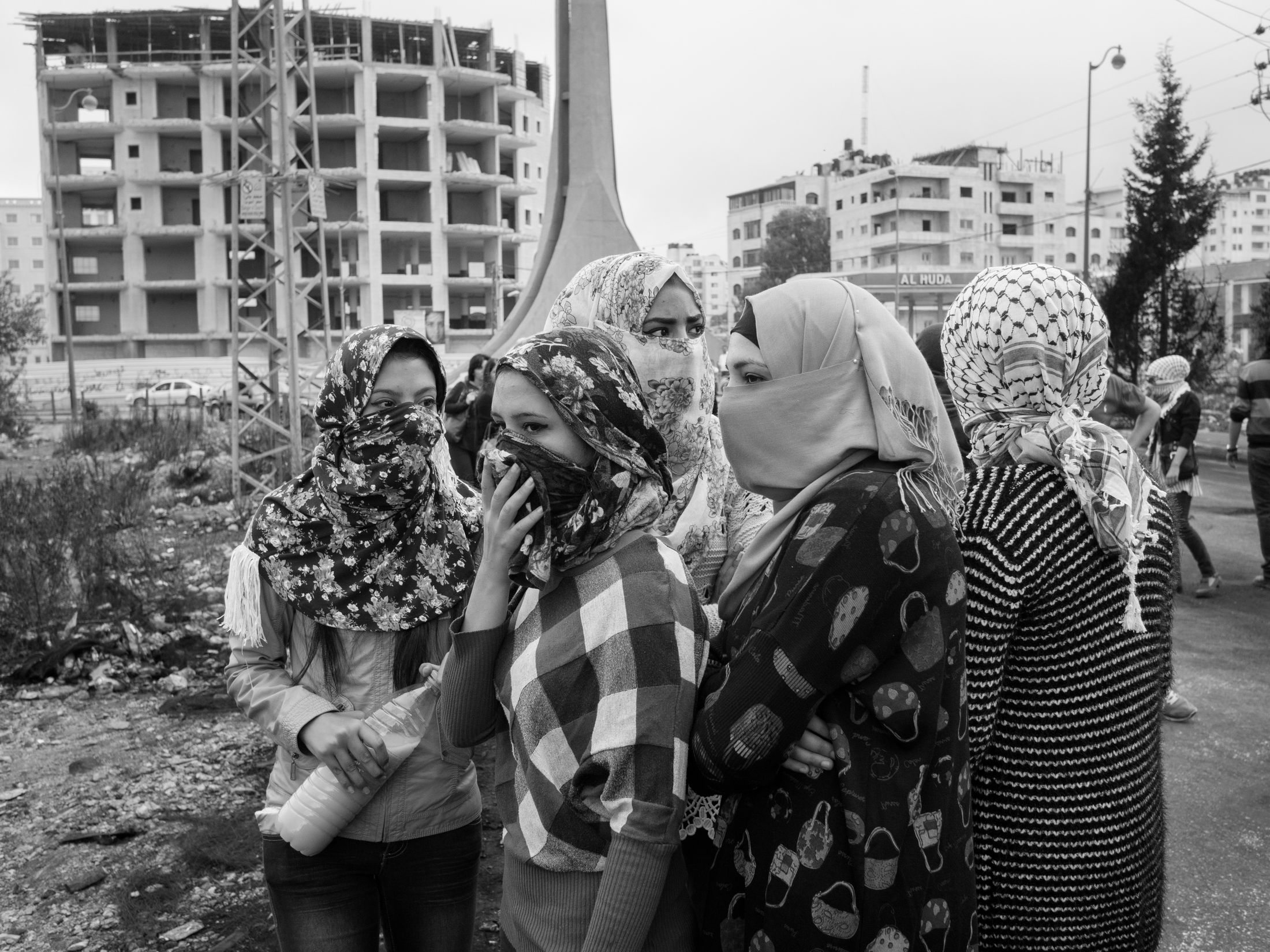
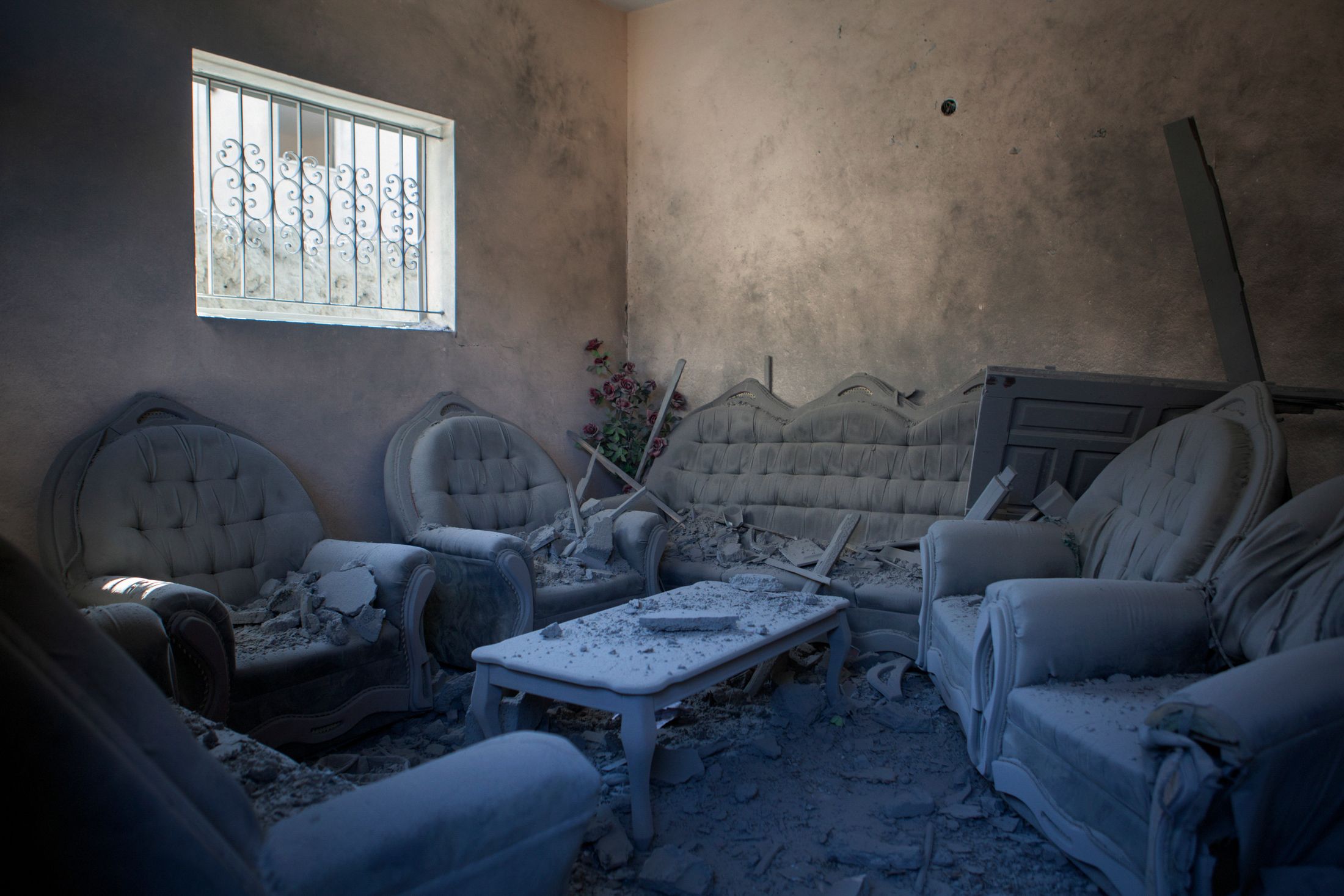
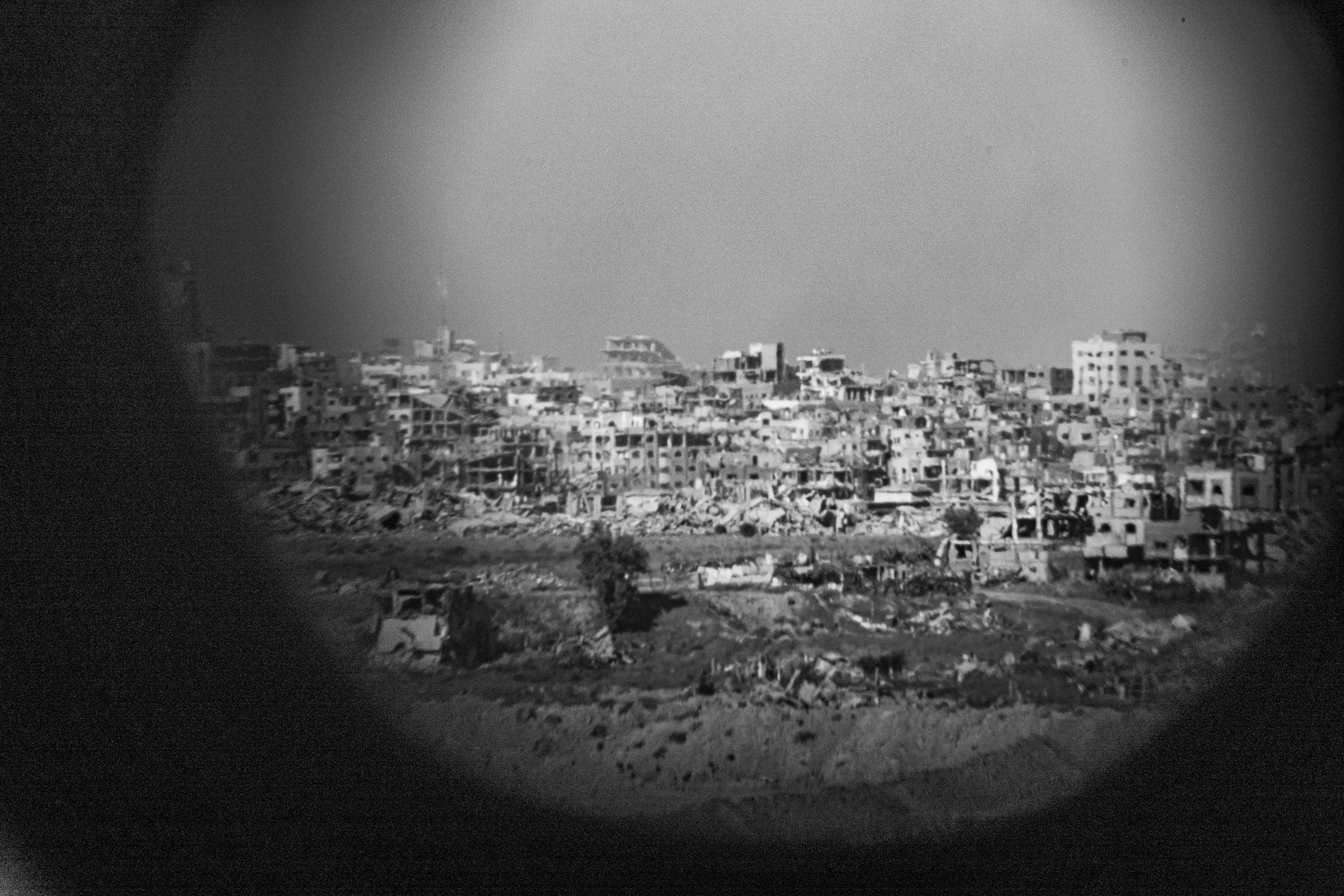
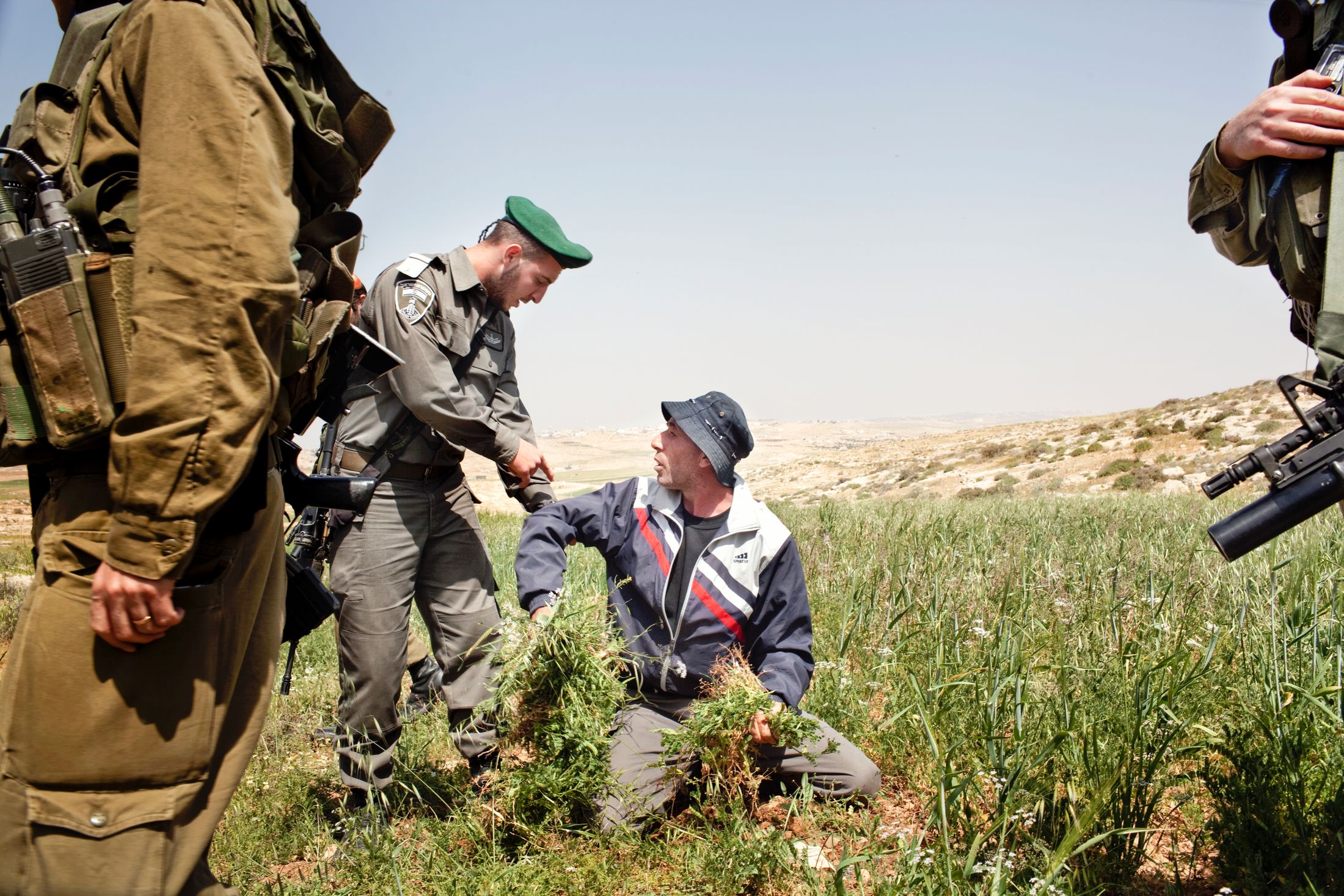
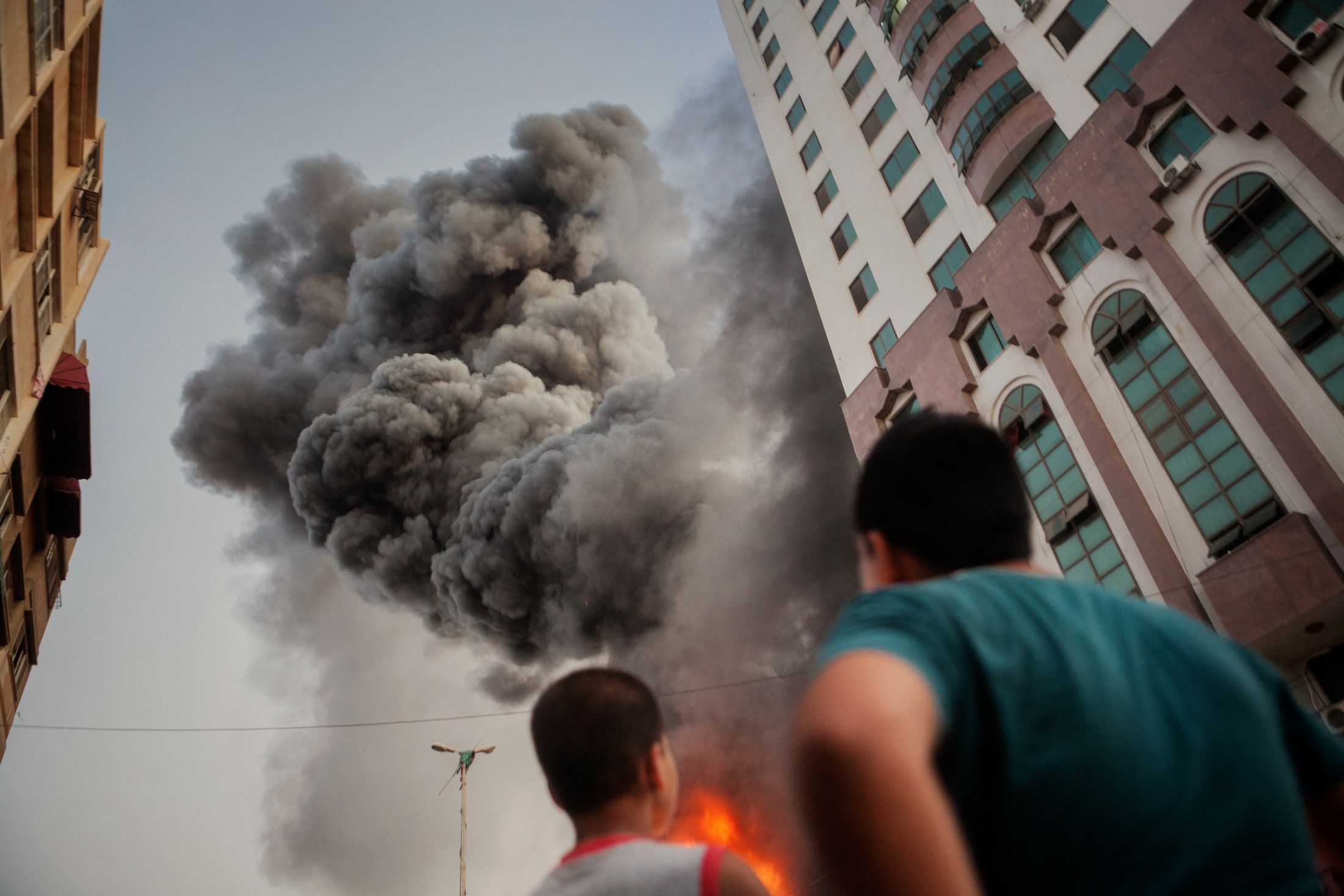
Ucraina, Palestina, Minneapolis. Tre luoghi lontani, tre differenti forme di conflitto, tre lavori fotografici che interrogano il nostro presente a partire da una medesima urgenza: essere lì, guardare, testimoniare. Le immagini di Alfredo Bosco in Ucraina raccontano una guerra entrata nella vita quotidiana e divenuta condizione permanente. Tra edifici distrutti, territori contesi e comunità costrette a ridefinire ogni giorno il significato della normalità, il fotografo osserva le conseguenze del conflitto sui corpi, sugli spazi e sulle relazioni. La guerra non coincide soltanto con il momento dell’esplosione: continua nelle attese, nelle assenze, nei gesti necessari a ricominciare. Nelle fotografie di Pietro Masturzo in Palestina, la violenza si inscrive in un territorio segnato dall’occupazione, dalla distruzione e dallo sradicamento. Eppure, anche dentro una realtà estrema, la vita non scompare. Persiste nei volti, nei legami familiari, nella ricerca di un riparo, nella volontà di rimanere ancorati alla propria terra e alla propria identità. Resistere significa allora continuare a esistere quando tutto sembra concorrere alla cancellazione. A Minneapolis, Jack Califano documenta gli scontri legati alle operazioni dell’ICE e le proteste che attraversano la città. Qui il conflitto esplode nel cuore dello spazio urbano, tra agenti, manifestanti e cittadini. Le strade diventano il luogo in cui la paura si trasforma in opposizione e la vulnerabilità individuale in una presa di posizione collettiva. Le immagini restituiscono la tensione di una società divisa, ma anche la determinazione di chi sceglie di esporsi e di rivendicare pubblicamente il diritto alla presenza. Sarebbe improprio sovrapporre queste realtà o considerarle equivalenti. La guerra in Ucraina, la condizione palestinese e la repressione contro le comunità migranti negli Stati Uniti appartengono a storie e sistemi di potere differenti. A unirle è però ciò che accade alle persone quando la violenza politica entra nella vita quotidiana: limita i movimenti, separa le famiglie, trasforma le case e le strade, ridefinisce il confine tra sicurezza e pericolo, tra appartenenza ed esclusione. Still Here nasce da questa prossimità possibile. Il titolo non indica soltanto la sopravvivenza, ma un atto di affermazione: siamo ancora qui. È la dichiarazione di chi resta, di chi ritorna, di chi manifesta, di chi continua ad abitare un luogo nonostante tutto. Ma è anche la posizione dei fotografi, presenti fisicamente davanti agli eventi e chiamati a trasformare quella presenza in responsabilità. Le fotografie di Bosco, Masturzo e Califano non offrono una visione consolatoria né pretendono di risolvere la complessità dei conflitti che attraversano. Costruiscono piuttosto uno spazio di attenzione, opponendo alla distanza delle notizie la concretezza dei volti, dei corpi e dei luoghi. Guardare queste immagini significa riconoscere che dietro la cronaca esistono vite che non vogliono essere ridotte a vittime, numeri o simboli. Essere ancora qui, allora, non significa essere rimasti indenni. Significa continuare a occupare uno spazio, affermare un’identità, difendere una memoria. Significa rendersi visibili. E chiedere a chi guarda di non voltarsi altrove.
Ukraine, Palestine, Minneapolis. Three distant places, three different forms of conflict, three photography projects that question our present, all driven by the same pressing need: to be there, to watch, to bear witness. The images taken by Alfredo Bosco in Ukraine depict a war that has become part of everyday life and a permanent condition. Amidst destroyed buildings, contested territories and communities forced to redefine the meaning of normality every day, the photographer observes the conflict’s impact on bodies, spaces and relationships. War is not limited to the moment of an explosion: it continues in waiting, in absences, and in the actions required to start again. In Pietro Masturzo’s photographs from Palestine, violence is embedded in a land marked by occupation, destruction and uprooting. Yet, even within such an extreme situation, life does not disappear. It endures in people’s faces, in family ties, in the search for shelter, and in the willingness to remain rooted in one’s land and identity. To resist, then, means to continue to exist when everything seems to be conspiring to wipe you out. In Minneapolis, Jack Califano documents the clashes associated with ICE operations and the protests sweeping through the city. Here, the conflict erupts at the very heart of the urban landscape, between officers, protesters and citizens. The streets become the place where fear turns into resistance and individual vulnerability into a collective stand. The images capture the tension of a divided society, as well as the resolution of those who choose to put themselves on the line and publicly assert their right to be there. It would be inappropriate to conflate these situations or regard them as equivalent. The war in Ukraine, the condition of the Palestinians and the repression of migrant communities in the United States are part of different histories and power structures. But what they have in common is what happens to people when political violence comes into everyday life: it restricts movement, tears families, transforms homes and streets, and redraws the line between safety and danger, between belonging and exclusion. Still Here stems from this potential closeness. The title refers not only to survival, but to an affirming act: we are still here. This is the declaration of those who remain, who return, who demonstrate, who keep on inhabiting a place despite everything. But it is also the stance of the photographers, who are physically present at the scene of events and called upon to transform that presence into a sense of responsibility. The photographs by Bosco, Masturzo and Califano offer no consolation nor do they claim to resolve the complexity of the conflicts they explore. Rather, they create a space for reflection, countering the detachment of news reports with the tangibility of faces, bodies and places. Looking at these images means acknowledging that behind the news stories there are lives that do not wish to be reduced to victims, numbers or symbols. To still be here, then, does not mean to have emerged unscathed. It means continuing to occupy a space, asserting an identity, defending a memory. It means making oneself visible. And asking the viewer not to look away.
Sull'Artista On the Artist
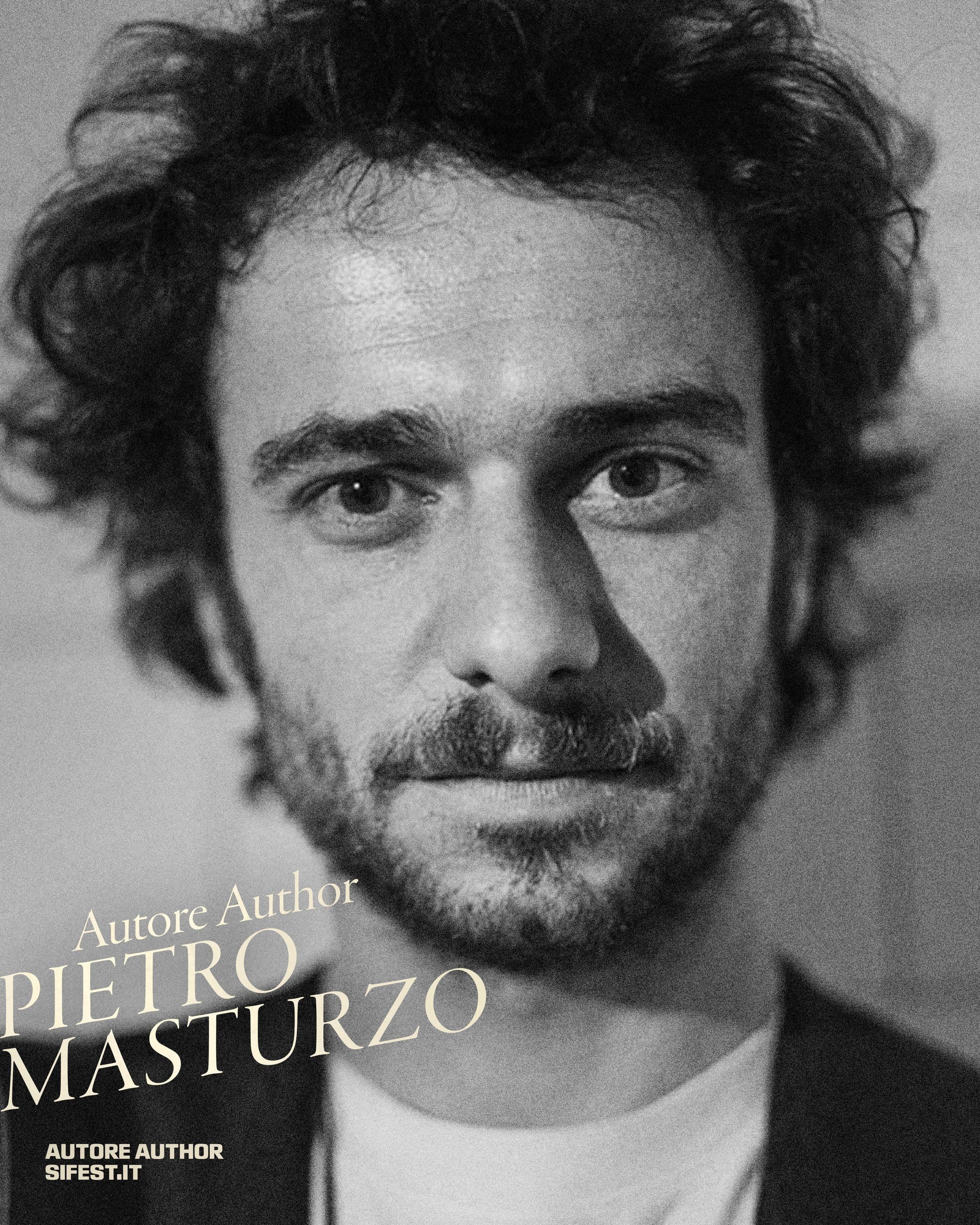
Pietro Masturzo (Napoli 1980) è un fotografo documentarista e fotoreporter attento alle tematiche sociopolitiche, in particolare alla resistenza dei popoli di fronte all’oppressione e alla violazione dei diritti umani. Collabora regolarmente con riviste e quotidiani («L’Espresso», «Internazionale», «Corriere della Sera», «Le Monde», «The New Yorker» tra i tanti). Ha esposto le sue opere in gallerie, festival e musei di tutto il mondo, arrivando anche al Centro Nobel per la Pace di Oslo. Una sua fotografia scattata in Iran nel 2010 ha vinto il prestigioso premio World Press Photo of the Year.
Pietro Masturzo (b. 1980, Napoli, Italy) is a documentary photographer and a photojournalist whose work focuses on socio-political issues, with a particular interest in the resistance of peoples in the face of oppression and the violation of human rights. He regularly collaborates with magazines and newspapers (L’Espresso, Internazionale, Corriere della Sera, Le Monde, The New Yorker and many others). His works have been widely exhibited in galleries, festivals and museums, including the Nobel Peace Centre in Oslo. One of his photographs, taken in Iran in 2010, won the prestigious World Press Photo of the Year award.